5 Sept 2026
Our next case study is ready “International Impact: New Zealand research on the global stage.”
5 Sept 2026
Our next case study is ready “International Impact: New Zealand research on the global stage.”
1 August 2026
To get electric passenger planes in the skies requires powerful electric motors, but they must also be small and light. Some kiwi scientists think they could have a solution. Claire Concannon visisted us in Petone to learn about the promise of high temperature superconducting magnets to make electric motors for airplanes.
30 July 2026
How do we use new technology to help us travel, without destroying the environment asks Te Herenga Waka—Victoria University of Wellington’s Dr Yukai Qiao.
12 Dec 2025
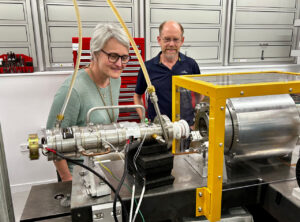
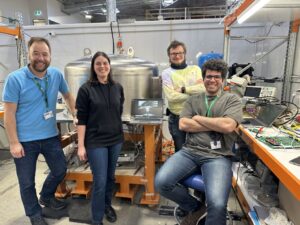
This month, two of our workstream leaders and key researchers, Alan and Duleepa were part in the opening and founding members of two new research facilities: Alan, now part of the “University of Canterbury’s Advanced Cryogenics Research Lab”, and Duleepa, now part of “John Boys Transdisciplinary Wireless Power Technology Centre”. Congratulations!
https://www.auckland.ac.nz/en/news/2025/12/02/john-boys-legacy-powers-new-research-centre.html
2 Sep 2025
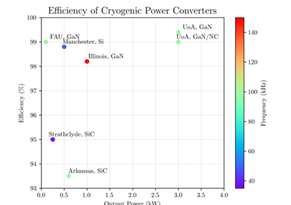
Our next programme case study is ready : Capability building – pioneering the advancement of cryogenic power electronics.
Follow the link to the pdf.
12 Aug 2025
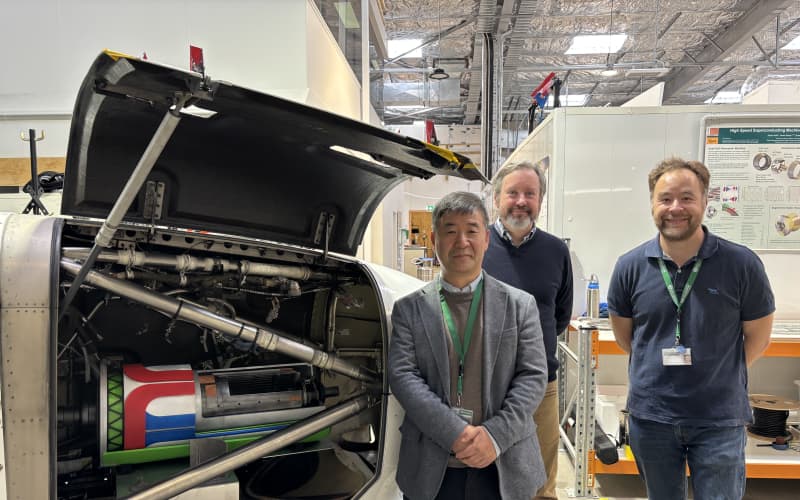
Robinson Research Institute has hosted a two-week visit from three engineers leading AIRBUS’s efforts to develop superconducting electric aircraft motors powered by hydrogen fuel cells. The aim is to identify how New Zealand’s expertise in this area can help accelerate this technology.
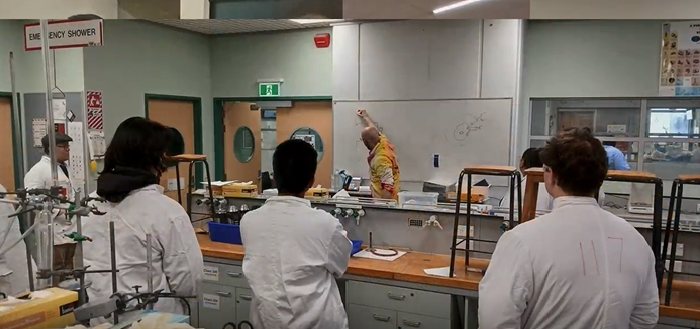
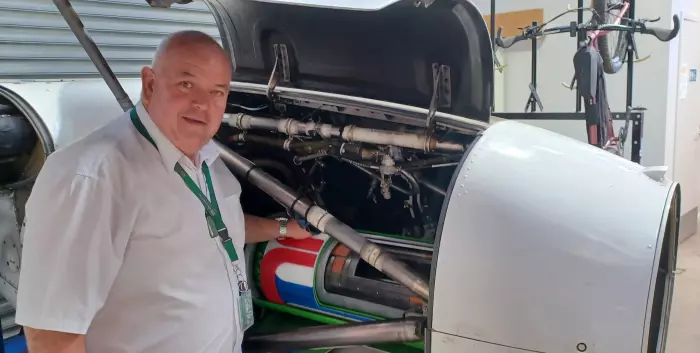
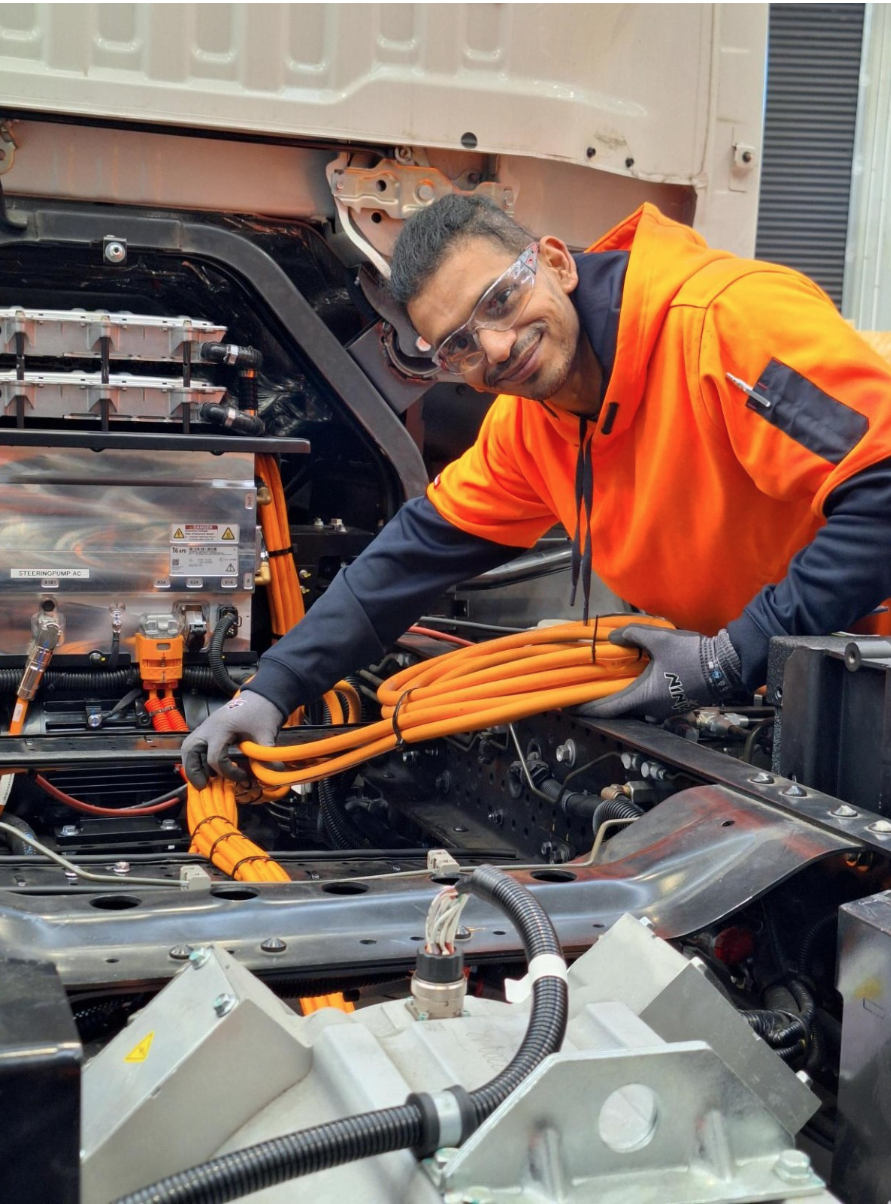
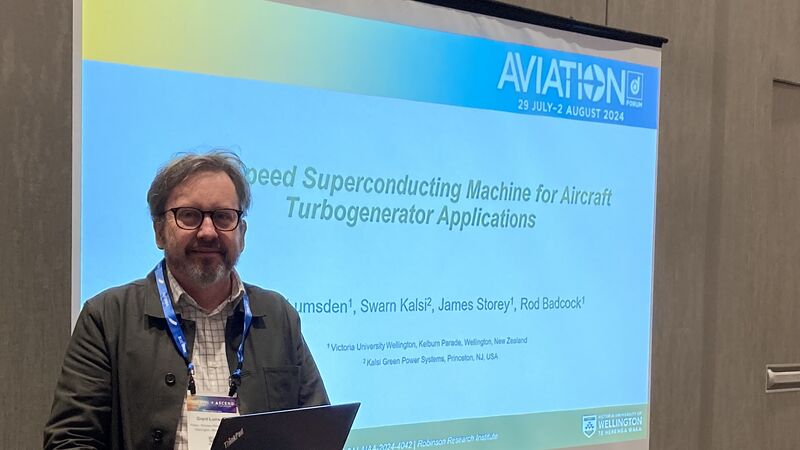
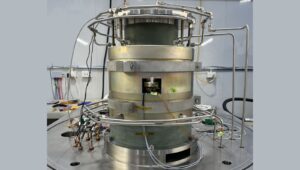
Last week, Professor Rod Badcock of the Paihau-Robinson Research Institute, Te Herenga Waka – Victoria University of Wellington gave a seminar at MIT Tech Park, Manukau.
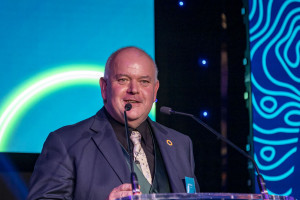
Robinson Research Institute’s Deputy Director Professor Rodney Badcock won the BNZ Research Entrepreneur award which recognises an experienced entrepreneurial researcher who has made outstanding contributions to research commercialisation impact in New Zealand.
Air New Zealand has teamed up with Te Herenga Waka—Victoria University of Wellington’s Paihau—Robinson Research Institute to help the airline on its mission to replace its Q300 domestic fleet with a more sustainable option from 2030.
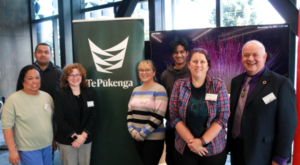
Nine year-12 and year-13 students, from Tauhara, north of Taupō, recently attended a tech bootcamp at Victoria University of Wellington. Teaomaori.news spoke to coordinator and team member Tahlia Crabtree, from the Robinson Research Institute of Victoria University about the programme.
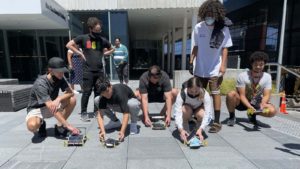
The Paihau—Robinson Research Institute’s Tech Bootcamps open up pathways to STEM careers for Māori and Pasifika students.
New Zealand researchers lead by Te Herenga Waka—Victoria University of Wellington have teamed up with Air New Zealand and Wellington UniVentures to create technology that will make zero-emission electric passenger aircraft a reality.
Read about Kent’s PhD and Cameron’s Masters work at Robinson Research Institute for simulations of large electric aircrafts and hardware-in-the-loop. Below is a little video showing Cameron’s hardware-in-the-loop setup
University receives funding boost to build high-power electric motors for rail, shipping and aviation